Welcome To Our Department
Department of Medical Microbiology and Parasitology
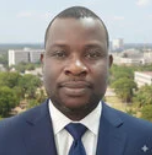
Welcome Address from the Head of Department
It is a distinct honor to welcome you to the Department of Medical Microbiology and Parasitology. Since our inception in 1983, we have remained steadfast in our commitment to the university’s mission of teaching, research, and service. Our department serves as a critical hub where rigorous basic science research meets clinical excellence, creating a dynamic environment for the study and management of infectious diseases.
Our Academic Mission
We provide foundational and advanced training for the next generation of healthcare professionals. Our curriculum is strategically integrated into the College of Health Sciences, supporting:
- Undergraduate Excellence: We provide essential theoretical and practical instruction for Medical, Dental, Nursing, and Pharmacy students. Notably, our MBChB and BChD students benefit from a group-based approach that emphasizes monthly practicals and bedside (PBS) clinical teaching.
- Specialized Postgraduate Training: Our M.Sc., M.Phil., and Ph.D. programs in Medical Microbiology and Medical Parasitology are designed to address the global demand for specialists in academia, public health, and industrial research.
Research Frontiers
Our department is at the forefront of tackling global health challenges through diverse research in bacteriology, parasitology, virology, mycology, and molecular biology. Our current initiatives include:
- Antimicrobial Resistance & Pathogenesis: Investigating the molecular basis of antibiotic resistance in multidrug-resistant bacteria, and the fundamental drivers of bacterial pathogenesis.
- Epidemiology & Emerging Infections: Conducting molecular epidemiology of microbial infections and studying the dynamics of nosocomial (hospital-acquired) infections and diarrheal diseases.
- Viral & Mycobacterial Research: Exploring the pathogenesis of Hepatitis B and C, Enteroviruses, and the complex interactions between Mycobacterial diseases and HIV.
- Tropical & Neglected Diseases: Advancing the study of Malaria, Neglected Tropical Diseases (NTDs), and other parasites of medical importance.
- Specialized Clinical Research: Investigating opportunistic infections in immunocompromised patients to improve clinical outcomes.
Our goal is to produce graduates who are not only technically proficient but are also capable of applying qualitative and quantitative research methodologies to the diagnosis and treatment of complex diseases. Whether you are a student, a researcher, or a clinical partner, we invite you to join us in our pursuit of scientific discovery and the improvement of human health.
Dr Babatunde W. Odetoyin, B.Tech., MSc., PhD
Head, Department of Medical Microbiology and Parasitology